Smile Dream: A Designer's Honest Review for Real Projects
I have spent years sifting through thousands of typefaces, testing them on everything from high-end packaging to mobile app interfaces. Most fonts promise a certain vibe but fail when the pressure is on. I recently put Smile Dream through its paces in a real-world scenario, and I want to share my honest thoughts on whether this script font deserves a spot in your design toolkit.
The First Impression: Mood and Personality
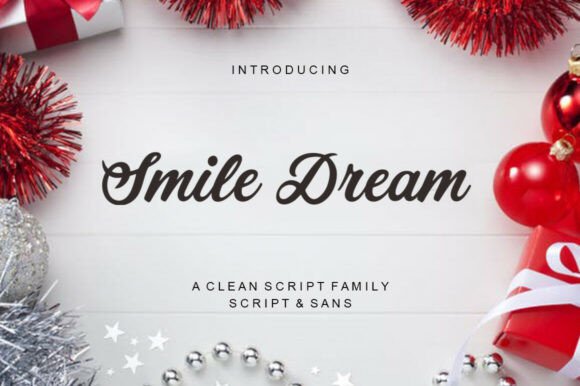
When you first open the file, Smile Dream immediately communicates warmth. It is not just a collection of letters; it feels like a handwritten note left by a friend who is genuinely happy to see you. The strokes vary in weight with a fluidity that suggests speed and joy, yet it retains enough structure to remain legible. This is a premium font that avoids the messy, chaotic look of many free handwritten font options found online.
The visual personality is undeniably playful but sophisticated. It sits comfortably in the space between a casual diary entry and a curated boutique brand mark. Unlike rigid serif font or blocky sans serif font styles, Smile Dream invites the eye to glide across the text. It creates an immediate sense of approachability and trust, which is exactly what modern brands are striving for in an increasingly digital world.
Performance in Real-World Design Scenarios
Design theory is one thing, but application is another. I tested Smile Dream across a variety of mediums to see how it holds up under different constraints. In logo design, the font shines when used for short phrases or brand marks. The unique ligatures connect naturally, making it perfect for creating a custom logotype for a lifestyle brand or a creative agency.
For packaging design, the font adds a touch of artisanal quality. Imagine a label for organic skincare, handmade chocolates, or artisanal coffee. Smile Dream elevates the product, suggesting care and attention to detail. It works exceptionally well as a primary display element on product labels where shelf appeal is critical.
In the realm of digital assets, this creative font is a powerhouse. I used it for social media graphics and found that it stops the scroll effectively. Whether you are designing digital ads or blog headers, the contrast it provides against standard body text is striking. For editorial design, it serves as a beautiful accent for pull quotes or section dividers, breaking up dense text without feeling out of place.
Crafters and small business owners will find particular value here. When paired with cutting machines like Cricut, Smile Dream produces clean cuts on vinyl decals, t-shirts, and mugs. It is also ideal for printable design projects, such as wedding invitations, party flyers, and greeting cards. The curves render beautifully at various sizes, ensuring that your commercial font investment pays off in professional-looking results.
Where to Exercise Caution
No typeface is a silver bullet, and Smile Dream has specific boundaries. While it is excellent for headlines and decorative accents, it should be used carefully for large blocks of body text. The varying stroke weights can become difficult to read if the line height is too tight or the text size is too small. In web design, avoid using it for navigation menus or long paragraphs.
It is best reserved for short phrases, titles, and brand identity elements where impact matters more than volume. If you are designing a corporate report or a technical manual, this display font might feel too informal. However, for marketing visuals aiming to evoke emotion and connection, it is nearly unmatched.
Impact on Readability and Brand Consistency
Typography does more than convey words; it sets the emotional tone. Using Smile Dream correctly enhances audience engagement by signaling friendliness and authenticity. When a brand uses a consistent voice, including their typography, it builds recognition and trust over time. This modern typography style helps humanize a business, making customers feel like they are interacting with people rather than a corporation.
However, consistency is key. Mixing too many distinct script styles can dilute your message. If you pair Smile Dream with other script font styles that clash in weight or angle, the result will look disjointed. Instead, use it to create a cohesive visual language that supports your overall brand strategy.
Practical Designer Notes for Implementation
Before committing to a project, there are several technical steps every designer should take. First, test the font in black and white. Color can sometimes hide spacing issues or kerning problems that become glaringly obvious in monochrome. Ensure that the letterforms do not collide awkwardly when placed next to each other.
Check small-size readability thoroughly. Zoom out to 50% or simulate a mobile view. Does the fine detail of the handwritten font disappear? If so, consider increasing the size or simplifying the surrounding layout. Always try the font on real mockups. Seeing Smile Dream on a physical bag or a website header gives you a much better sense of scale than looking at a plain document.
Comparison is also vital. Try pairing Smile Dream with a clean sans serif font for body copy to create balance. You might also experiment with a classic serif font to add a touch of elegance to the mix. See how it interacts with other display font styles to ensure it doesn't compete for attention. Finally, confirm your commercial licensing before delivering work to clients or selling design assets. Understanding the terms of use protects both you and your business.
Final Thoughts on Smile Dream
Smile Dream is more than just another addition to the Script Amp collection; it is a versatile tool that brings genuine character to a project. It strikes a rare balance between artistic flair and functional utility. Whether you are crafting a brand identity for a startup, designing Canva templates for a client, or creating digital products for sale, this typeface offers a reliable foundation for your creativity.
By understanding its strengths and limitations, you can leverage Smile Dream to create designs that resonate deeply with your audience. It is a reminder that good design is not just about following trends, but about choosing the right tools to tell a story. If you need a font that smiles back at your viewers, this is it.