Hello Dudda: A Designer's Real-World Review
When I first opened the Hello Dudda font file, I didn't just see a collection of glyphs; I felt a shift in mood. It isn't another generic brush stroke or a stiff calligraphy typeface that tries too hard to be artistic. Instead, it exudes a playful yet grounded energy that feels surprisingly versatile for serious branding work. As a designer who has spent years navigating the fine line between creativity and functionality, my initial reaction was one of cautious optimism. This is a script font that understands its role in the hierarchy of modern design.
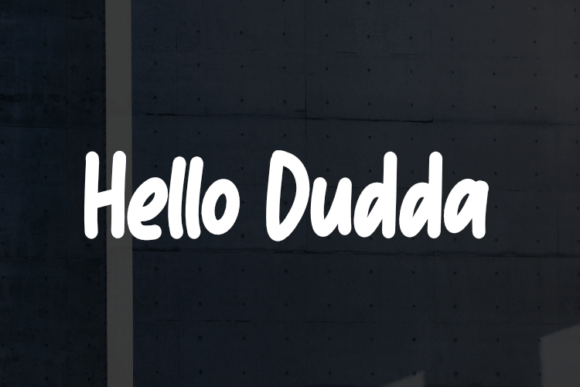
The visual personality of Hello Dudda is distinctively human. The letterforms carry a slight irregularity that mimics natural handwriting without sacrificing legibility. It creates an immediate sense of approachability and warmth, making it perfect for projects that need to feel personal and authentic. Whether you are crafting a brand identity for a boutique coffee shop or designing digital assets for a lifestyle blogger, this typeface brings a touch of charm that standard fonts often lack.
Performance in Real-Life Design Scenarios
I believe a font is only as good as the environments it can survive in. I put Hello Dudda through a rigorous trial run across various mediums to see how it holds up under pressure. In logo design, the script flows beautifully when paired with clean geometric shapes. It adds character without overwhelming the mark. For packaging design, particularly on product labels for handmade goods or artisanal foods, the font elevates the perceived value. It suggests care and attention to detail, which is crucial for consumer trust.
Moving into digital spaces, Hello Dudda performs exceptionally well as a display element. On website headers, it captures attention instantly, drawing the eye before the user even scrolls. However, it shines brightest in social media graphics. When used for quotes, promotional banners, or event invitations, it transforms flat images into engaging visual stories. I also tested it for printable designs and Cricut projects, where its clear strokes ensure crisp cuts and readable text at smaller scales.
- Editorial Design: Use it for pull quotes or section headers to break up dense text blocks.
- Merchandise: Great for t-shirt prints and tote bags where a unique voice is needed.
- Digital Products: Perfect for cover art on eBooks, course materials, or template kits.
- Commercial Assets: Its robust structure makes it suitable for advertisements that require a friendly tone.
Strategic Placement and Hierarchy
While Hello Dudda is powerful, it requires strategic placement to maintain brand consistency. It is not a font for body copy. If you attempt to set long paragraphs in this typeface, readability will suffer, and your audience's trust may erode due to visual fatigue. Instead, reserve it for large headlines, short phrases, and decorative accents. It acts as a visual anchor that guides the viewer's eye through the composition.
In terms of visual mood, this font leans towards the premium yet accessible. It works wonders for premium packaging where you want to convey quality without being intimidating. For digital ads, use it sparingly to highlight key offers or calls to action. When used correctly, it enhances engagement by adding a layer of personality that resonates with human emotions. Remember, the goal is to support the message, not distract from it.
Practical Designer Notes for Implementation
Before you commit Hello Dudda to a client project or a commercial launch, there are specific technical checks every professional should perform. First, always test the font in black and white. Color can sometimes mask spacing issues or weight imbalances that become glaringly obvious in monochrome. Check how the uppercase and lowercase interact; the balance between the two is critical for maintaining a harmonious rhythm in your layout.
Spacing is another area that demands attention. While the font comes with built-in kerning, real-world application often requires manual adjustment. Look at how letters sit next to each other in tight clusters. Ensure that the negative space feels intentional rather than accidental. I also recommend testing Hello Dudda alongside different style families. Pairing a script font like this with a sturdy serif font can create a sophisticated contrast, while combining it with a sans serif font yields a more contemporary, modern typography look.
If you are building a font pairing system, consider how Hello Dudda interacts with a standard handwritten font or a rigid display font. Often, the best results come from mixing textures—letting the fluidity of Hello Dudda dance against the stability of a geometric sans. This contrast creates depth and keeps the design dynamic. For web design and blog graphics, ensure the font renders clearly across different screen sizes. Test it on mobile devices to confirm that the details remain sharp and the text remains legible.
Compatibility and Versatility
This creative font fits seamlessly into the broader ecosystem of design assets. It complements modern typography trends that favor authenticity and human connection. Whether you are working on a brand identity overhaul or creating a quick social post, Hello Dudda adapts to the context. It bridges the gap between formal design and casual expression, making it a valuable tool for content creators and marketers alike.
For those using tools like Canva or working with vector software, the outlines are clean and scalable. This ensures that whether you are printing a massive billboard or a tiny business card, the integrity of the typeface remains intact. It is essential to verify the commercial licensing before deploying the font in any revenue-generating project. Once confirmed, you can confidently integrate it into your workflow, knowing it meets professional standards.
Final Thoughts on Using Hello Dudda
In conclusion, Hello Dudda is more than just a pretty typeface; it is a functional design solution that brings life to static layouts. Its ability to convey emotion while maintaining clarity makes it a standout choice for brand identity work. From product labels to flyers and posters, it delivers a consistent message of warmth and professionalism.
As a designer, I appreciate fonts that respect the craft of communication. Hello Dudda respects the reader by ensuring that its beauty does not come at the cost of usability. It is a premium font that earns its place in your toolkit. By following practical guidelines regarding size, pairing, and context, you can leverage its full potential to create compelling visual narratives. Whether you are a small business owner looking to elevate your brand or a publisher seeking a fresh aesthetic, this script font offers a reliable path to success.
Take the time to experiment. Play with weights, adjust spacing, and watch how it transforms your digital products and printable designs. With thoughtful application, Hello Dudda will become an integral part of your design language, helping you connect with your audience on a deeper, more meaningful level.